Aizome for Beginners: What Japanese Indigo Dyeing Teaches Before You Buy a Kit
 NETOKYO
Aizome for Beginners: What Japanese Indigo Dyeing Teaches Before You Buy a Kit
Indigo dyeing is easy to reduce to a color: a deep blue that changes as fabric moves in the light. Aizome is more interesting than that shorthand. Fiber, preparation, resist, dye bath, rinsing, and drying all leave evidence in the result.
As an Amazon Associate, NETOKYO earns from qualifying purchases. This article contains affiliate links. Prices and availability are not stated because they change.
- Start with use, not a label
- What official sources establish
- Compare the choices in front of you
- Questions that prevent a bad first purchase
- Care and travel after the purchase
Start with the life of the object, not its label
Indigo dyeing is easy to reduce to a color: a deep blue that changes as fabric moves in the light. Aizome is more interesting than that shorthand. Fiber, preparation, resist, dye bath, rinsing, and drying all leave evidence in the result. A good first purchase earns its place after the trip: on a counter, at a table, in a drawer, or in a quiet hour of practice. The reliable first question is not “Which one is the best?” but “What will I actually do with it on an ordinary Tuesday?” That simple question cuts through the pressure to buy the most elaborate version.
Buy a kit only after checking its contents, suitable fibers, activation method, protective equipment, and disposal instructions. A workshop is often the better first step because it teaches the sequence without treating dye chemistry as a souvenir activity. It still leaves room for affection. An object can be useful and beautiful at once. The important thing is to pair that feeling with enough practical knowledge that the choice will make sense when the label, display, and travel mood have disappeared.
The colour you see is only part of the workshop
- Aizome is a broad term for Japanese indigo dyeing; methods and materials vary among makers and kits.
- Fiber content, preparation, dye bath, oxygen exposure, rinsing, and repeated dips can change the result.
- A kit's own safety sheet is the authority for handling, ventilation, gloves, and disposal.
These facts are guardrails, not a substitute for looking closely. A tourism office can explain a district. A maker can explain a process. A museum or craft organization can offer historical context. None can decide whether one particular object is right for your home. Scale, material, condition, maintenance, and the seller's current information still matter.
That distinction protects both reader and craft. A regional name can start a conversation, but it should not be used as a shortcut to claims about age, rarity, safety, or quality. The most honest purchase is usually the one whose limits are understood before the credit card comes out.
Compare choices by use, not by prestige
| Option | What to check | When it fits |
|---|---|---|
| Workshop | instruction, equipment, cleanup, time | you want a first experience |
| Small kit | fiber compatibility and safety guidance | you have a suitable workspace |
| Finished textile | maker, fiber, color and care | you want the object, not the process |
A comparison table is a conversation starter, not a verdict. In a shop, ask to see the underside, feel the weight, and hear the care guidance. Online, request measurements, close photographs, a return policy, and plain wording about origin and condition. If a seller cannot answer a basic care question, it is reasonable to pause.
Where first purchases go wrong
- Buying by the shade in an online photo alone.
- Dyeing an unknown synthetic blend and expecting cotton-like results.
- Discarding material without following the maker's instructions.
The remedy is rarely complicated: slow the purchase down. Put the object down, walk once around the street or gallery, then come back with the question you avoided asking. If the answer remains unclear, that is useful information. Buying later from someone who can explain the object well is better than buying immediately because a display created urgency.
What to ask before paying
Ask for the information that lets you live with the object safely: what it is made of, who made or distributed it, how it should be cleaned or maintained, what is included, and whether there are restrictions on travel or shipment. For a tool, ask how it should be sharpened or stored. For a fragile object, ask how it should be packed. For a class or kit, ask what protective equipment, workspace, and disposal steps are required.
Wear clothing you can stain, separate dye work from food preparation, and follow the kit maker's protective steps. Follow the textile maker's wash and light-exposure guidance after dyeing.

Use product search to compare materials and specifications, not as a replacement for maker guidance.
Search related tools on Amazon →Five questions readers ask
Do I need the most traditional version to begin?
No. Begin with the version you can use and care for safely. Tradition is learned through making, looking, and asking—not through buying the most elaborate item first.
Can a photograph prove authenticity?
No. Photographs help with condition and scale, but they do not replace material information, a maker's mark, documentation, or a return policy.
Can I pack it in checked luggage?
That depends on the object and carrier. Confirm current airline and security rules before packing edged tools, liquids, or fragile pieces.
What if I do not understand a shop explanation?
Ask for the product name, a written care note, or a photo of the label. It is fine to step away and translate it before paying.
Why is care guidance part of the purchase?
Because it protects the object and the reason you chose it. A piece that cannot be cared for in your home is not necessarily bad; it may simply be the wrong first piece.
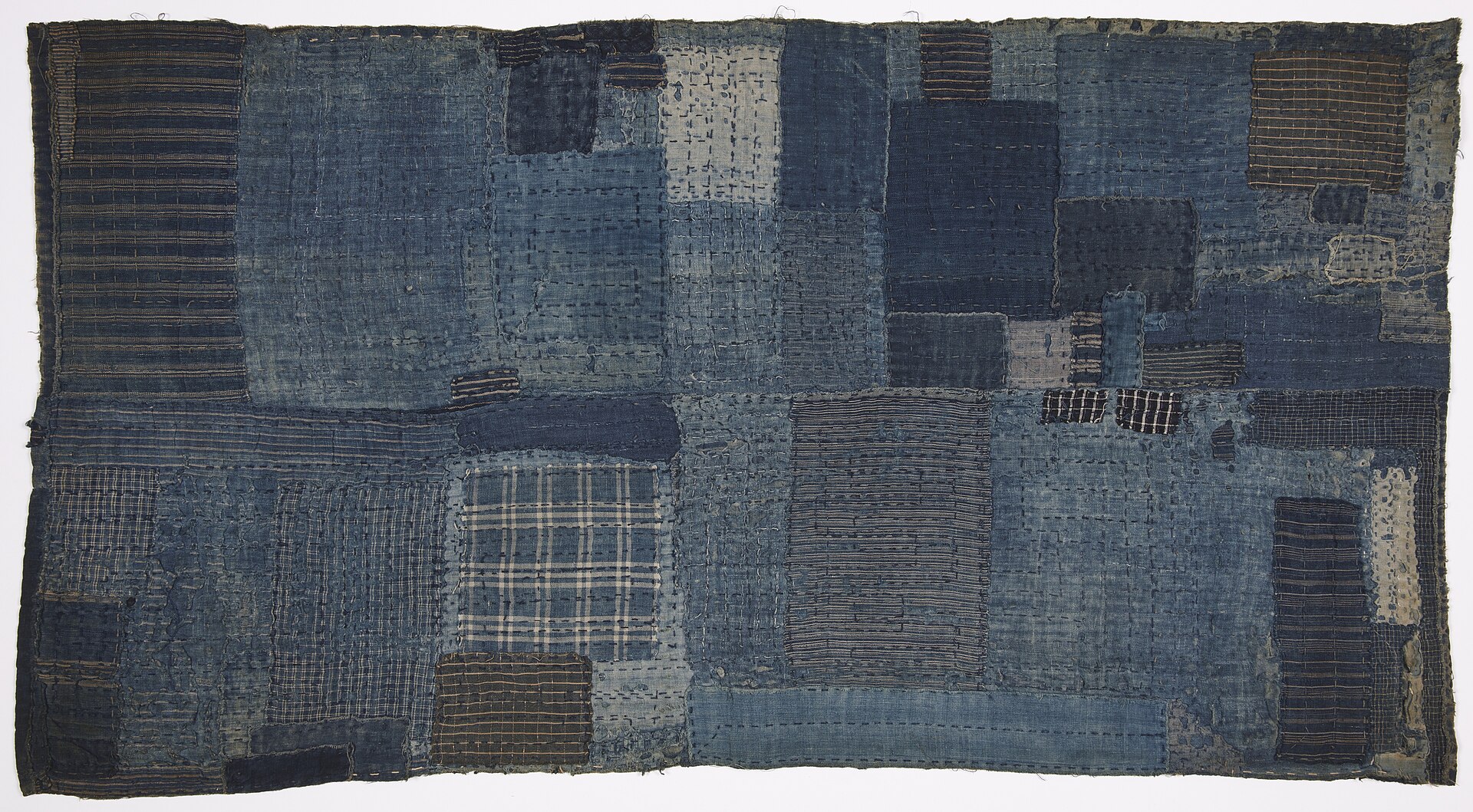
Choose an indigo experience by its process, not by the finished blue
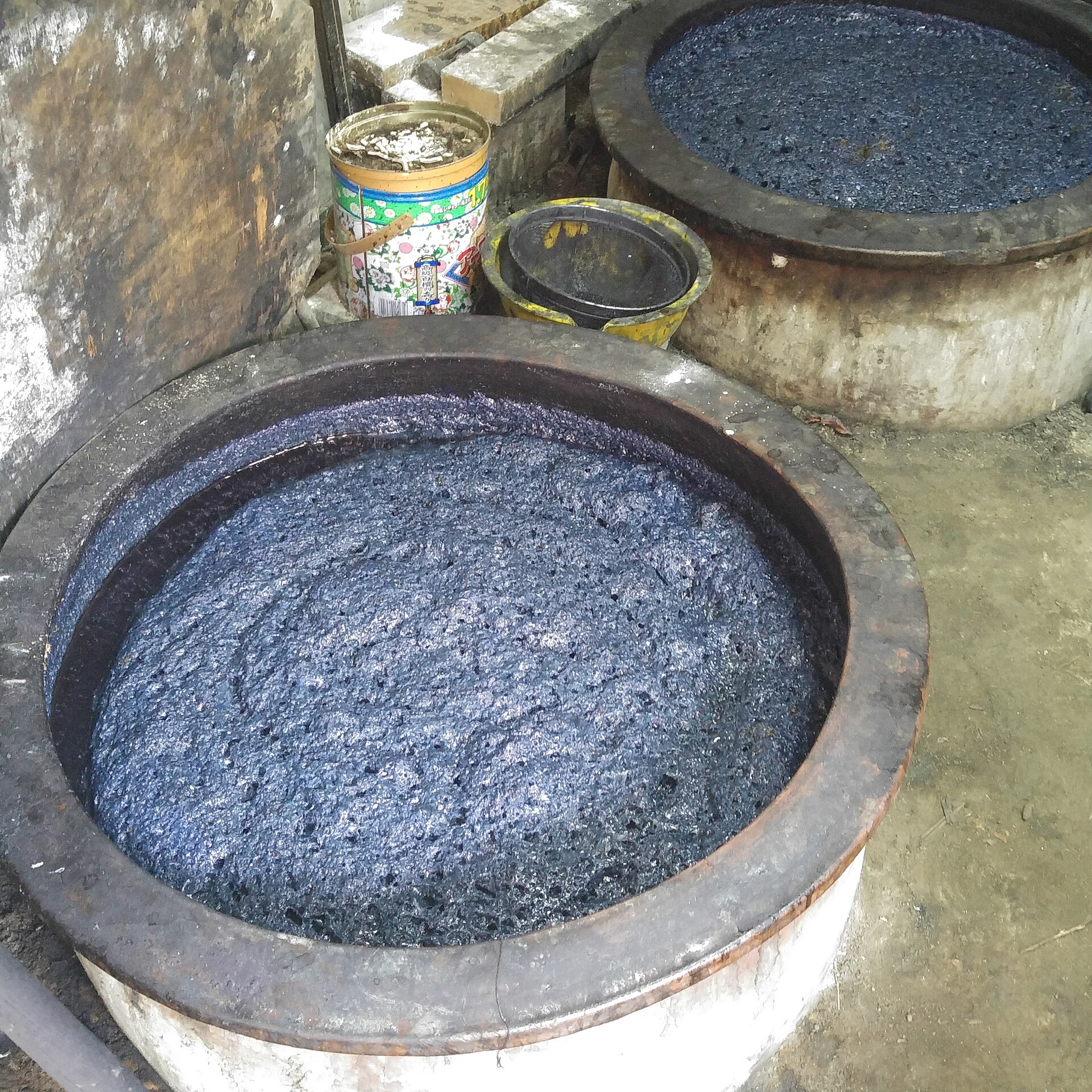
An indigo workshop can look effortless in photographs: cloth goes into a vat, comes out greenish, and slowly turns blue in the air. The useful questions happen before that moment. What material will you dye? Is the session suitable for beginners? Are gloves, aprons or changing facilities provided? How long does the piece need before it can be packed? A clear answer is more valuable than a promise of a particular shade.
Indigo develops through repeated dips, oxygen and handling, so variation is part of the process rather than proof that anything went wrong. Choose a workshop that explains this plainly and gives you care instructions for the fabric you take home. When you later wash or store the piece, follow those instructions rather than treating all blue textiles alike. The best souvenir is not the most saturated one; it is the one whose making you can describe.
A final pause before you make it yours
There is a quiet difference between choosing an object and simply acquiring one. The first choice is usually the more patient one. It has room for an unanswered question, for the information written on a label, and for the ordinary circumstances in which the object will be used after the trip. That pause is not hesitation for its own sake. It is how a useful thing avoids becoming a beautiful burden.
Before paying, imagine the first ten minutes at home. Where will this live? What will touch it? Who will wash it, sharpen it, pack it, or explain it to someone else? If the answer depends on a condition you have not checked—an unusually large drawer, a particular cleaning method, a special power supply, a return journey to the same city—ask the seller to make that condition explicit. A clear answer is part of the value of the purchase.
It is equally reasonable to leave without buying. Japanese craft is not made more meaningful by a rushed transaction, and a shop visit can still teach you how to look. Keep a photograph of the label if the shop permits it, note the dimensions and the maker, then compare that information with the place where the item would actually be used. Returning later with a better question is often the beginning of a better collection.
This approach also keeps the article's practical advice in proportion. A regional tradition, a maker's method, and a shop's current policy are different kinds of information. They deserve to sit beside one another, not to be merged into a promise. The source links below are a place to continue that check with the organizations closest to the subject.
Sources and date note
Sources below were checked on 2026-09-06 JST. Store hours, service availability, product specifications, transport rules, and prices can change. Recheck official sources and the seller immediately before a visit or purchase.
\ 最新情報をチェック /