The Galaxy Express 999 left Earth on January 24, 1977, when Leiji Matsumoto's manga first appeared in Weekly Shonen King. The train has been running ever since — through 113 television episodes, three theatrical films, a sequel manga series, and five decades of devotion from fans across multiple generations and continents. Now, in 2026, you can board it.
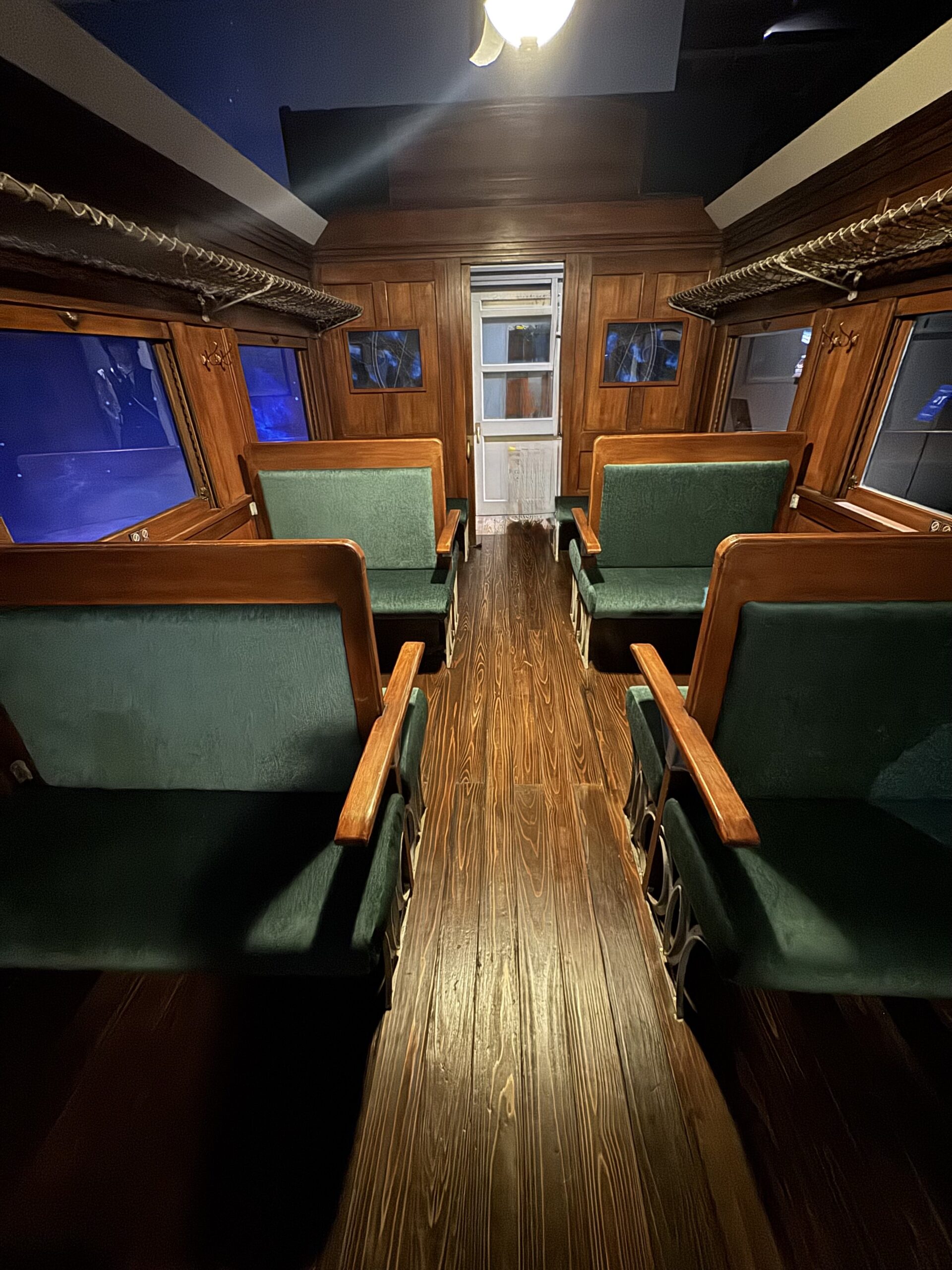
Not metaphorically. Literally board it. A life-size replica of the Galaxy Express 999 train car stands inside the Grand Gallery of the Kadokawa Musashino Museum in Tokorozawa, Saitama. Fans can walk up to it, enter it, and photograph themselves inside the train that carried Tetsuro Hoshino across the galaxy in pursuit of a mechanical body — and, in the process, discovered the irreplaceable value of being human.
The exhibition — officially titled Galaxy Express 999: THE GALAXY EXPERIENCE — That Journey Continues — runs from April 25 to October 26, 2026, in the museum's 1,000 square meter Grand Gallery. It is the most ambitious attempt yet to bring the world of Leiji Matsumoto's masterpiece into physical space. And it is available for only six months.
What Makes This Exhibition Different
Most anime exhibitions are retrospectives: original artwork, production materials, character displays, and merchandise. The Galaxy Experience is something more ambitious. It is designed, as its creators describe it, not to "screen" the 1979 film but to "extend" it — to transform the audience from viewers into passengers.
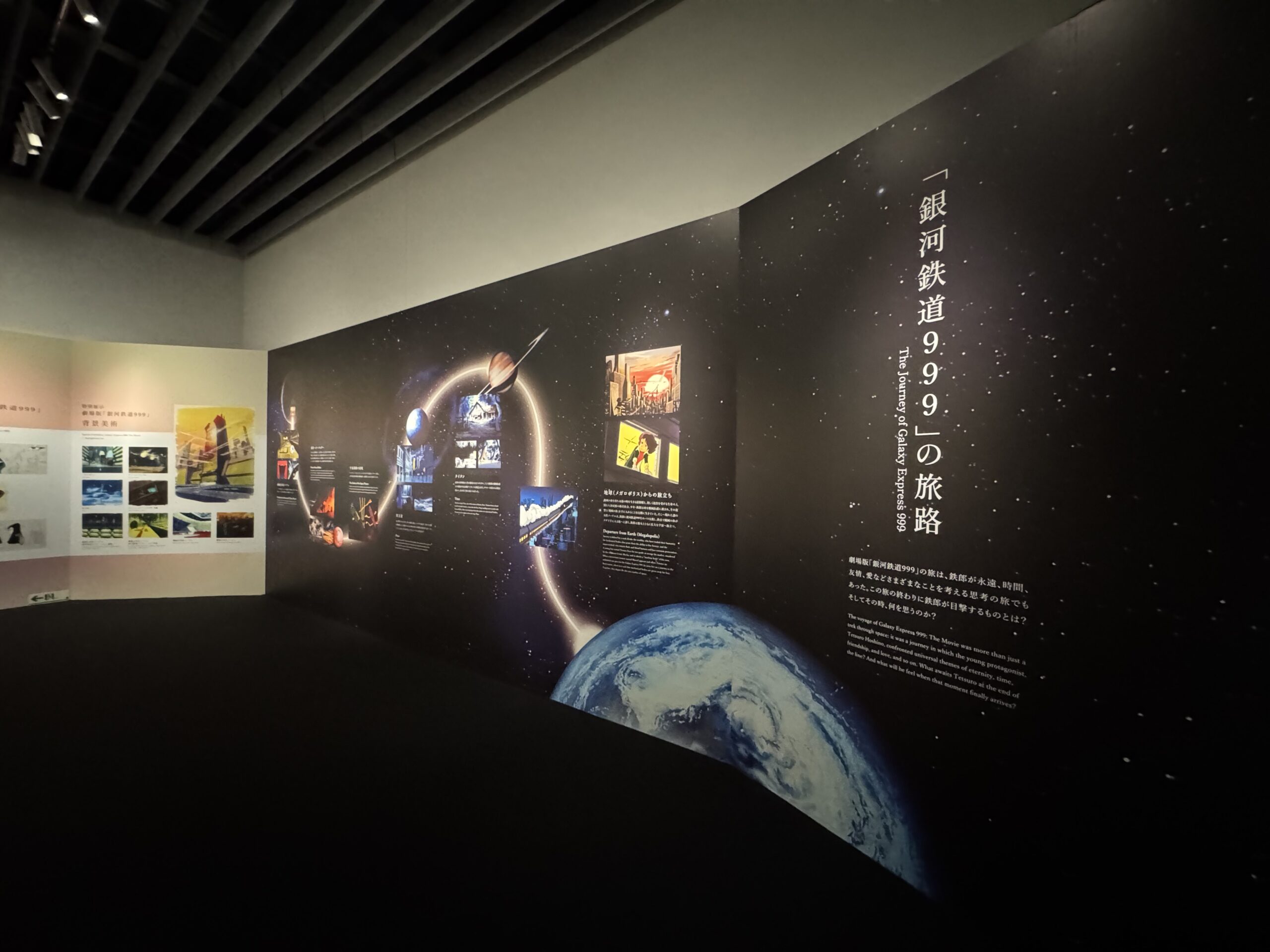
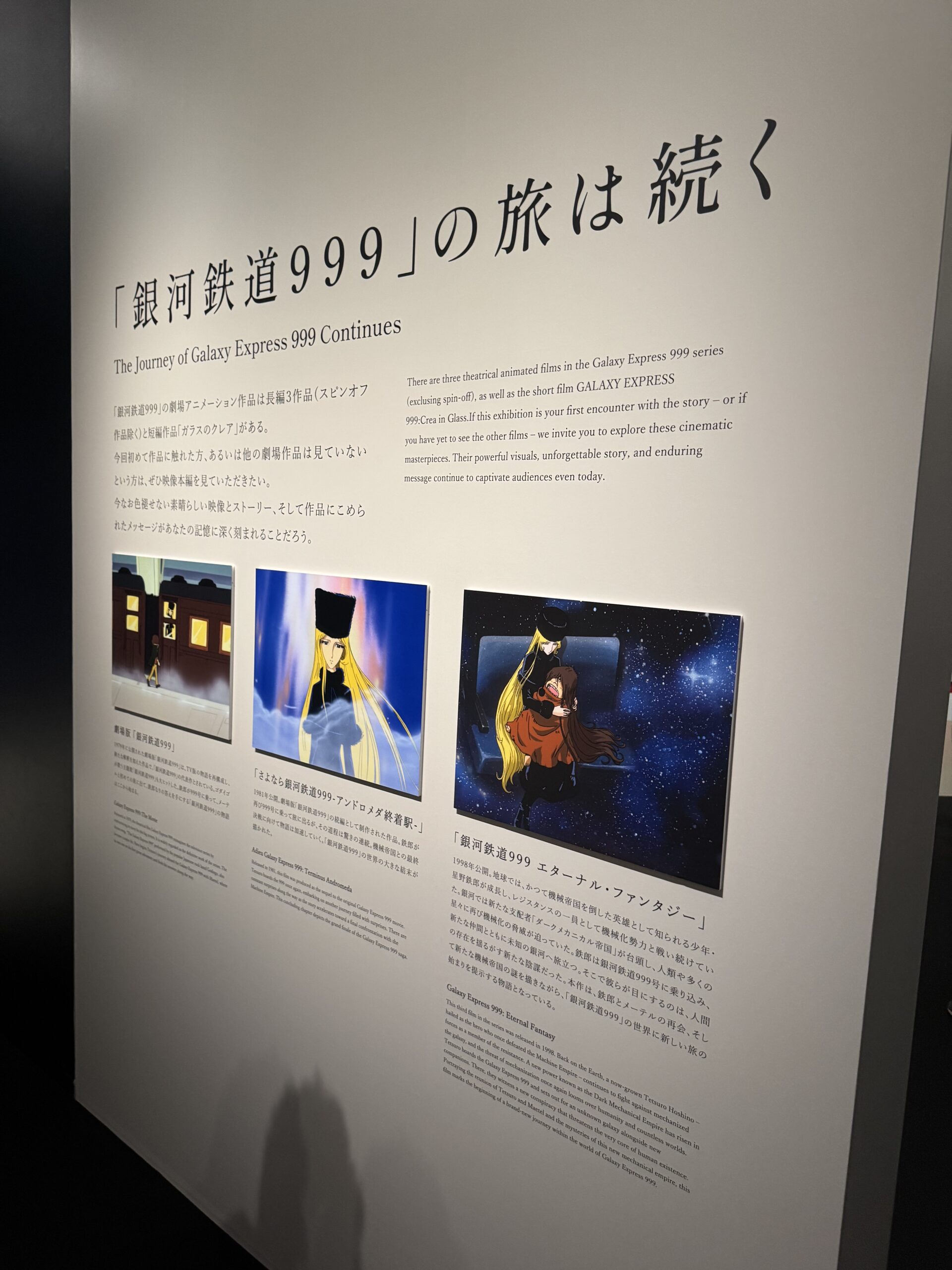
Beyond the experiential section, the exhibition features production materials, concept art, and background information about Matsumoto's central themes — particularly the tension that defined his entire creative life: the conflict between eternal mechanical existence and finite, fragile human life.
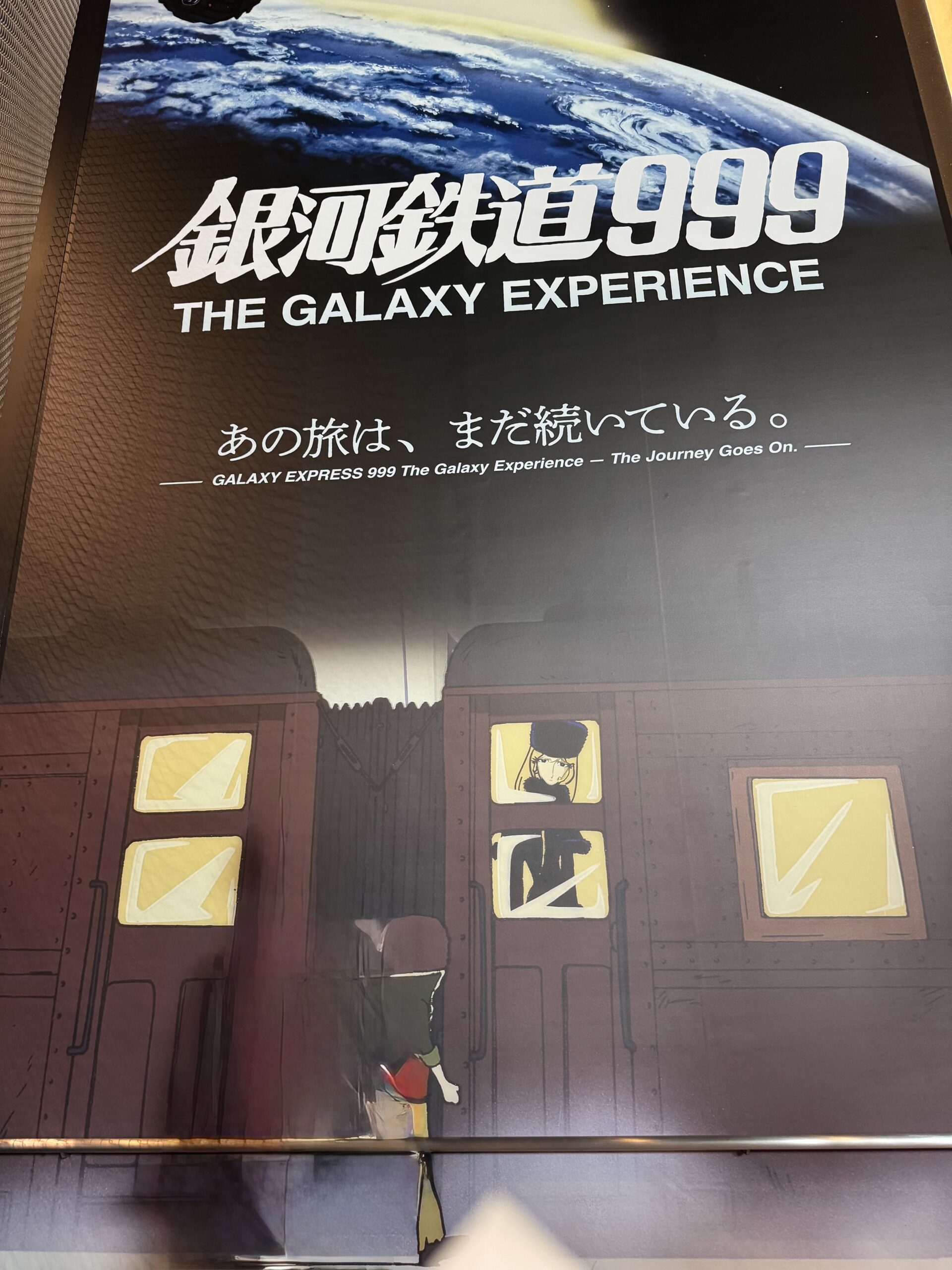
"A new attempt to extend movies into space rather than simply screening them."
Official exhibition description, Kadokawa Musashino Museum, 2026
The Story Behind the Exhibition: 50 Years of the 999
To understand why this exhibition matters to fans, you need to understand what Galaxy Express 999 is — and what it meant.
The manga debuted in January 1977 in Weekly Shonen King. Its premise was deceptively simple: a poor boy named Tetsuro Hoshino, whose mother was killed by a machine-man named Count Mecha, boards the legendary Galaxy Express 999 space train with a mysterious woman called Maetel. The ticket to ride is free — but the journey will cost him everything he thinks he wants.
What followed across the manga's original run and the 1979 theatrical film — directed by Rintaro, who also helmed Metropolis — was one of the most philosophically rich science fiction narratives in the history of anime. The questions the series asked about identity, mortality, and the price of immortality were not simplified for a young audience. They were delivered with full weight, trusting readers to feel what they could not yet articulate.
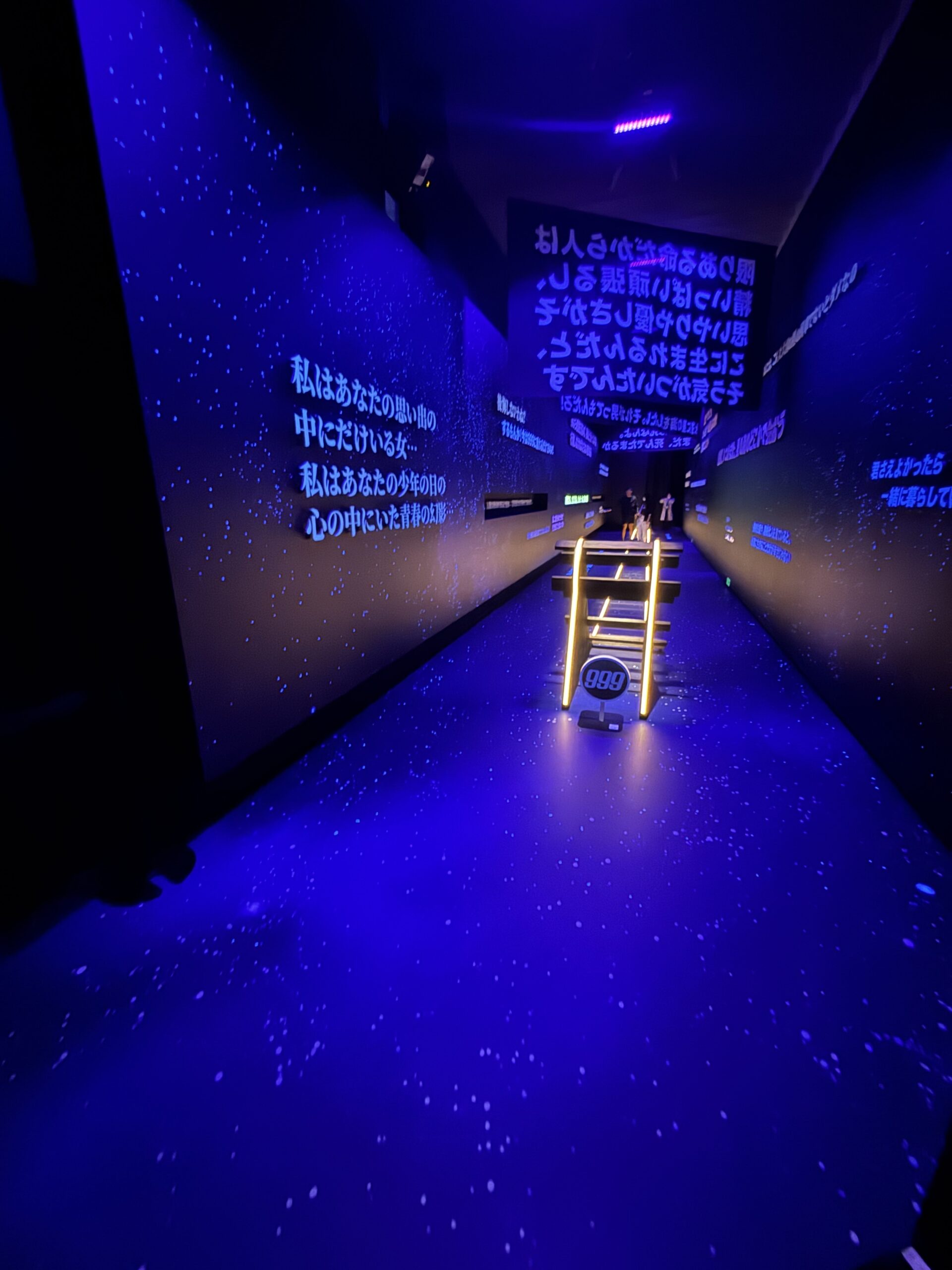
The Matsumoto Universe in 2026
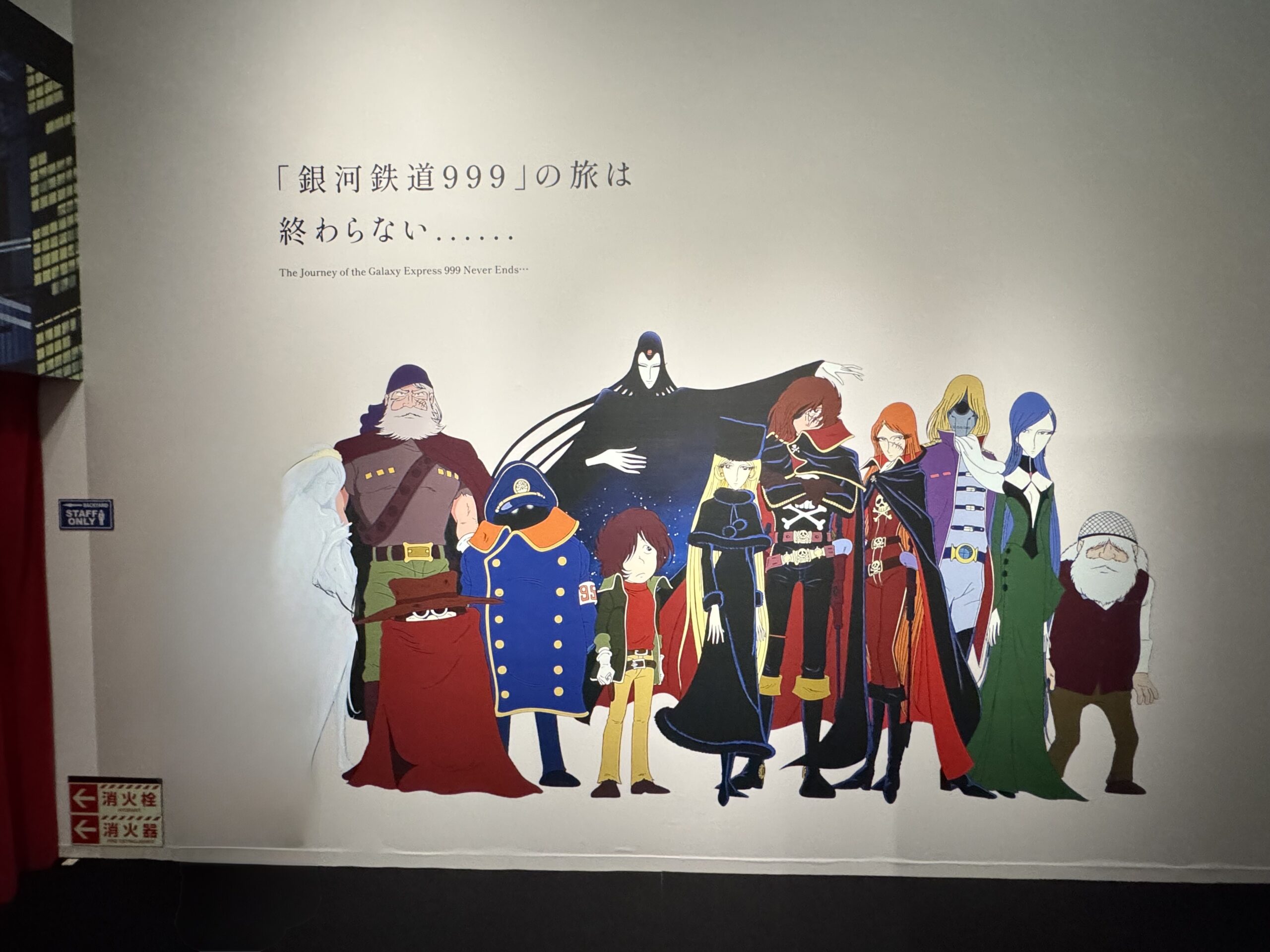
Leiji Matsumoto died in February 2023 at the age of 85. What he left behind was not merely a catalog of manga and anime — it was an interconnected universe spanning Galaxy Express 999, Space Pirate Captain Harlock, Queen Emeraldas, and a dozen other titles, all sharing characters, mythology, and a consistent philosophical preoccupation with freedom, mortality, and the human spirit.
His first major posthumous retrospective — featuring more than 300 original drawings, including works never previously displayed publicly — traveled from Tokyo City View at Roppongi Hills (June–September 2025) to the Kitakyushu Manga Museum (September 2025–January 2026) to the Nagoya City Art Museum (March–June 2026). The traveling exhibition drew fans who drove hours, flew across the country, and in some cases traveled from abroad specifically to see Matsumoto's original manuscripts in person.
The Kadokawa Musashino Museum exhibition is different in kind. Where the retrospective was archival — showing where Matsumoto came from — the Galaxy Experience is forward-looking. It asks not what the 999 was, but what it still is. What it means to board a train toward an uncertain destination, knowing the journey will change you more than the arrival.